Balancing Act: How Touring Musicians Maintain Family Connections

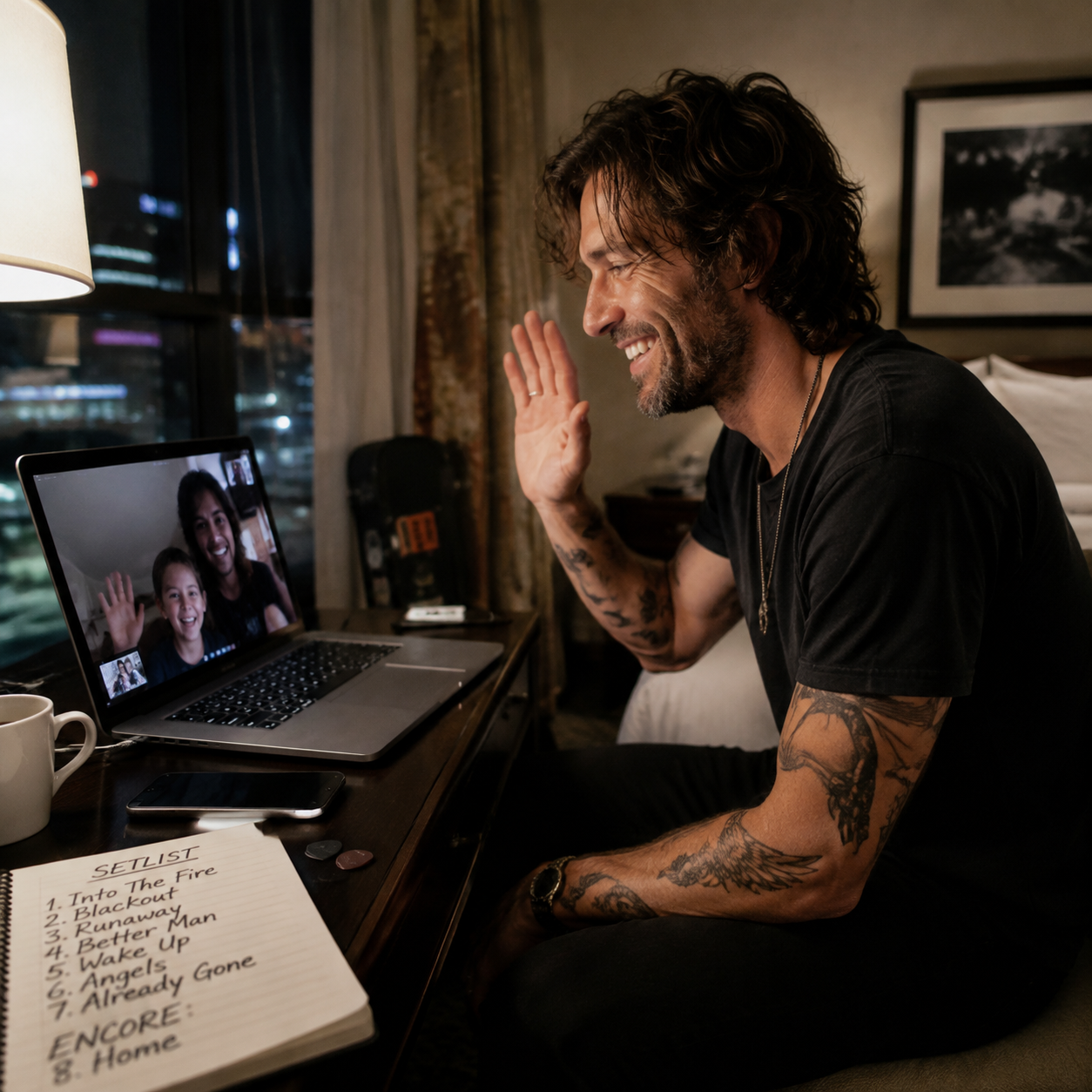
For touring musicians, the stage may be thousands of miles from home, but family life continues in real time. School mornings, birthdays, household decisions, and difficult conversations do not pause because a tour bus has crossed a state line. Every music tour creates a practical and emotional balancing act between professional ambition and the relationships that make a life feel grounded.
Life on the road can bring creative fulfillment, financial opportunity, and unforgettable experiences. It can also expose the limits of work-life balance. The most sustainable arrangements usually come from deliberate planning, honest communication, and a shared understanding that connection is built repeatedly rather than preserved automatically.
The Family Reality Behind Life on the Road
Touring musicians manage family relationships across two demanding environments: the unpredictable world of performance and the ongoing responsibilities of home. A tour schedule may include travel days, soundchecks, interviews, late concerts, changing venues, and little private time, while partners and children maintain the routines that keep family life functioning.
A musician’s public role often looks energetic and spontaneous. Behind that performance sits a calendar organized around departure times, hotel check-ins, rehearsals, load-ins, and recovery. A single delayed flight can disrupt a planned video call; a last-minute show can replace an anticipated evening at home.
At the same time, relatives are not simply waiting for the musician to return. Partners and spouses may handle childcare, school communication, bills, appointments, and household decisions alone. Children may experience the tour through short calls, photographs, souvenirs, or stories that make an absent parent feel present.
The central challenge is therefore broader than physical distance. It involves sharing responsibility and emotional attention when family members occupy different daily realities.
Why Touring Can Strain Family Connections
Touring strains family connections because distance combines with fatigue, irregular schedules, missed milestones, and unequal responsibility at home. Even loving families can struggle when separation lasts for weeks or months and plans remain vulnerable to change.
Time zones make ordinary communication harder. A parent may finish a performance after a child has gone to bed, while the child’s morning begins as the musician prepares for sleep. Repeatedly missing birthdays, school events, anniversaries, or informal moments can create a sense of absence that is difficult to repair with a single reunion.
Fatigue adds another layer. After travel and a demanding show, a musician may have only enough energy for a brief conversation. Family members can interpret that limited attention in different ways: as understandable exhaustion, emotional distance, or evidence that touring always comes first.
There is also a less visible emotional cost. The person at home may feel that their sacrifices receive less recognition than the performer’s work. The musician, meanwhile, may feel guilt for being away and pressure to appear grateful, successful, and fully engaged at every moment. Both sides can carry loneliness without having a clear place to discuss it.
Touring is not automatically damaging to family life, and staying home does not guarantee closeness. The outcome depends on expectations, resources, relationship quality, and whether the family can adjust its arrangement when circumstances change.
Staying Connected Across Distance
Touring musicians stay connected through predictable contact, small shared rituals, and honest conversations that fit the realities of life on the road. The goal is dependable emotional presence, even when communication cannot happen every day at the same time.
Build communication around reliability
A family may choose a scheduled call before school, a video chat after dinner, or a short voice message sent from the venue. A fixed routine helps children understand when contact is likely, while flexibility prevents one missed call from becoming a personal failure.
- Use several channels: video calls for face-to-face connection, voice notes for busy days, and messages for quick updates.
- Share ordinary details: talk about lunch, homework, weather, backstage routines, or a funny moment rather than discussing only major news.
- Create a shared ritual: read the same story, exchange a daily photograph, watch part of the same program, or keep a small tour journal.
- Protect difficult conversations: save important relationship discussions for a time when both people have privacy and enough energy to listen.
Communication should also include practical transparency. Sharing the tour calendar, expected dead zones, transport changes, and recovery days gives family members a more accurate picture of availability. A calendar does not remove disappointment, but it reduces the uncertainty that often makes separation harder.
Some families find that shorter, frequent contact works better than occasional long calls. Others need uninterrupted conversations several times a week. The useful measure is not the number of calls; it is whether family members feel remembered, heard, and included.

Bringing Family Into the Touring Experience
Some musicians involve family in touring through selected visits, backstage access, shared travel, or creative activities, but bringing relatives on the road works only when logistics and consent support it. A tour can become a shared experience, yet it should not be treated as a simple cure for separation.
Partners or spouses may join for a portion of a tour when schedules, work obligations, school calendars, and finances allow. Children might visit for a weekend, attend a suitable performance, or see a soundcheck without being exposed to every late night and travel delay. Even a short visit can give family members a concrete sense of the musician’s working world.
Involvement can happen without physical travel. A musician might send a backstage photograph, explain how a venue works, invite a child to help choose a set-list symbol, or record a short rehearsal clip. These gestures make the tour more understandable and give relatives a place within the story.
There are trade-offs. Touring environments may be noisy, crowded, expensive, or poorly suited to young children. A partner who travels may lose income or personal time. The musician may become distracted by family needs during a period already filled with professional demands. Inclusion should feel mutual, not like another obligation imposed on the person already managing home life.
Creating Stability Amid an Unstable Schedule
Families create stability during touring by planning dependable home routines, assigning responsibilities clearly, and treating time together as a protected commitment. Stability comes from systems that continue working when the tour schedule changes.
Before departure, families can map the tour dates against school terms, childcare, work deadlines, medical appointments, and important celebrations. A backup plan matters because cancellations and extensions are common features of touring. Trusted relatives, paid childcare, neighbors, or shared parenting arrangements may provide support, depending on a family’s resources and culture.
At home, predictable routines help children feel secure. Consistent bedtimes, school rituals, meals, and check-ins provide continuity while one parent is away. The touring musician can support those routines remotely by attending a virtual school meeting, helping with a bedtime story, or reviewing a child’s project when connectivity allows.
Time at home also needs protection. Returning from a tour often involves exhaustion, laundry, administrative work, and a gradual adjustment to ordinary life. Families may benefit from reserving the first day for rest and the following days for deliberate reconnection rather than promising an unrealistic schedule of activities.
One practical framework is the three-part tour agreement: define what must happen before departure, what contact is realistic during the tour, and what each person needs after the return. This turns vague hopes into shared expectations. It also creates space to renegotiate when a tour changes.
The Family Perspective on Touring Life
The family perspective reveals that touring affects more than the musician; partners, spouses, children, and relatives also adapt their identities, routines, and expectations around repeated absence. Their experiences deserve the same attention as the performance itself.
A partner may become the primary decision-maker at home while still trying to maintain an equal relationship. Children may feel pride in a parent’s music career and frustration about missed presence at the same time. Younger children may understand separation through routines, while older children may question why career commitments repeatedly determine family plans.
Relatives often develop their own forms of resilience. They learn to use calendars, manage unexpected changes, celebrate milestones on different dates, and welcome the musician back without pretending that separation had no effect. Those adaptations can strengthen a family, but they may also conceal burnout if nobody asks whether the arrangement remains sustainable.
Listening is essential. Instead of asking only whether the tour is going well, families can ask: What has been hardest this week? Which responsibilities feel uneven? What kind of contact actually helps? What should change before the next departure?
These questions shift the focus from guilt to collaboration. They recognize that family connection is a shared responsibility, even when the musician is the person traveling.
What Documentaries Reveal About Music and Family
Documentary filmmaking reveals the human cost and emotional texture of touring by placing public performance beside private moments of waiting, negotiating, and reconnecting. The strongest films show family life as an active part of a musician’s story, not a decorative subplot.
A documentary may find meaning in a call from a hotel room, a changing tour calendar, a quiet backstage pause, or the first conversation after a long separation. These moments can carry more emotional weight than a polished concert sequence because they expose the contrast between stage confidence and private uncertainty.
Responsible documentary storytelling also requires consent and context. Children should not be used to manufacture emotion, and family conflict should not be reduced to a dramatic explanation for career success. Filmmakers need to consider who controls the narrative, which private moments belong on camera, and whether relatives can speak in their own voices.
The documentary form is particularly suited to contradiction. A musician can be exhilarated by an audience and heartsick about missing home. A spouse can support the career while resenting its demands. A child can admire the music and still want a parent present at a school event. Those conflicting truths make touring stories credible.
By following the spaces between performances, documentary filmmaking can show that work-life balance is rarely a finished achievement. It is a sequence of decisions, compromises, repairs, and small acts of attention.
Frequently Asked Questions About Touring Musicians and Family
Touring musicians maintain family closeness through regular communication, realistic planning, shared rituals, and honest conversations about the cost of time apart. The right approach depends on the family’s needs and circumstances.
How do touring musicians stay in touch with their families?
They commonly use scheduled calls, video chats, voice messages, photographs, and shared digital calendars. Reliable contact matters more than maintaining a perfect daily routine.
Can musicians bring their families on tour?
Yes. Some bring partners or children for selected dates, weekends, or portions of a tour. School, work, cost, safety, privacy, and the intensity of the schedule all affect whether travel is practical.
How does touring affect children and partners?
Touring can create pride, independence, and memorable experiences, but it can also bring loneliness, disrupted routines, and unequal household responsibilities. Regular check-ins help families identify problems before resentment grows.
What are the biggest family challenges for musicians on the road?
The main challenges include prolonged separation, missed milestones, time-zone differences, fatigue, unpredictable schedules, childcare, and the emotional pressure of returning home after an intense tour.
How can families maintain closeness during long tours?
Families can agree on realistic communication habits, share ordinary daily experiences, protect home routines, plan reunions carefully, and review what worked after each tour. Connection grows through repeated attention rather than grand gestures.
For touring musicians and their families, balance is less like a fixed position and more like an ongoing practice. The work involves calendars and phone calls, but also empathy: recognizing the person performing, the people waiting, and the relationships that continue in every direction while the music moves on.