Behind the Scenes: A Day in the Life of a Touring Musician’s Spouse


When a touring musician walks onto a stage, the audience sees the lights, the soundcheck, and the energy of the performance. At home, another story unfolds. A musician’s spouse may be coordinating school runs, handling household decisions, maintaining a career, and helping children understand why one parent is away again.
This behind-the-scenes perspective shifts attention from the concert venue to the kitchen table, the phone screen, and the quiet hours after bedtime. Every relationship handles touring differently, but family life often depends on work that remains invisible to the public.
More Than “Waiting at Home”
A touring musician’s spouse is usually an active participant in family life, carrying practical responsibilities and emotional labor while the musician travels. The role involves decision-making, adaptation, and support rather than passive waiting.
A tour schedule can place the couple in different cities, time zones, and daily realities for weeks or months. The musician may focus on rehearsals, travel, performances, and professional relationships. The spouse often becomes the person who keeps the home system moving.
That system may include paying bills, arranging childcare, responding to school messages, caring for pets, managing repairs, and making decisions that would normally be shared in person. Some spouses also help with tour logistics, merchandise, finances, or public communication. Others protect their own careers and keep a deliberate distance from the business side of music.
Agency matters. The spouse is not simply an extension of the touring musician’s career. Their time, ambitions, fatigue, and boundaries deserve equal consideration. A documentary about touring musicians becomes more truthful when it shows this partnership as a negotiation between two full lives.
Morning Routines and Managing the Household
Morning routines during a tour often resemble ordinary family mornings, except that one adult handles more of the work alone. Parenting responsibilities, employment, errands, and household management continue whether or not the tour schedule is convenient.
The day might begin with preparing breakfast, organizing school bags, checking transport, and answering a message from the musician sent after a late performance. A spouse may then move into their own job, appointments, or domestic tasks. The schedule has little room for the glamour associated with touring.
Solo decision-making is one of the less visible challenges. If a child becomes sick, an appliance fails, or a school event changes at short notice, the spouse may need to act first and discuss the decision later. This can create efficiency, but it can also produce exhaustion and resentment when responsibility becomes uneven over time.
- Parenting: school communication, meals, homework, activities, and emotional reassurance.
- Household care: shopping, cleaning, repairs, finances, pets, and appointments.
- Personal continuity: protecting work commitments, friendships, exercise, and rest.
A useful way to understand the routine is to separate tasks into three categories: urgent, important, and optional. During a demanding tour, urgent tasks receive attention first, important family rituals need protection, and optional projects can wait. That approach reduces pressure without pretending that the workload is small.
Staying Connected Across Time Zones
Touring musicians and their spouses stay connected through planned communication, small daily updates, and flexible expectations about calls and video chats. Consistency usually matters more than the length of every conversation.
Time zones complicate intimacy. A spouse may be starting the day while the musician is finishing a show. A missed call can reflect a delayed flight, a technical problem, or simple exhaustion rather than a lack of care. Couples who treat every interruption as a personal rejection often add unnecessary strain to an already difficult arrangement.
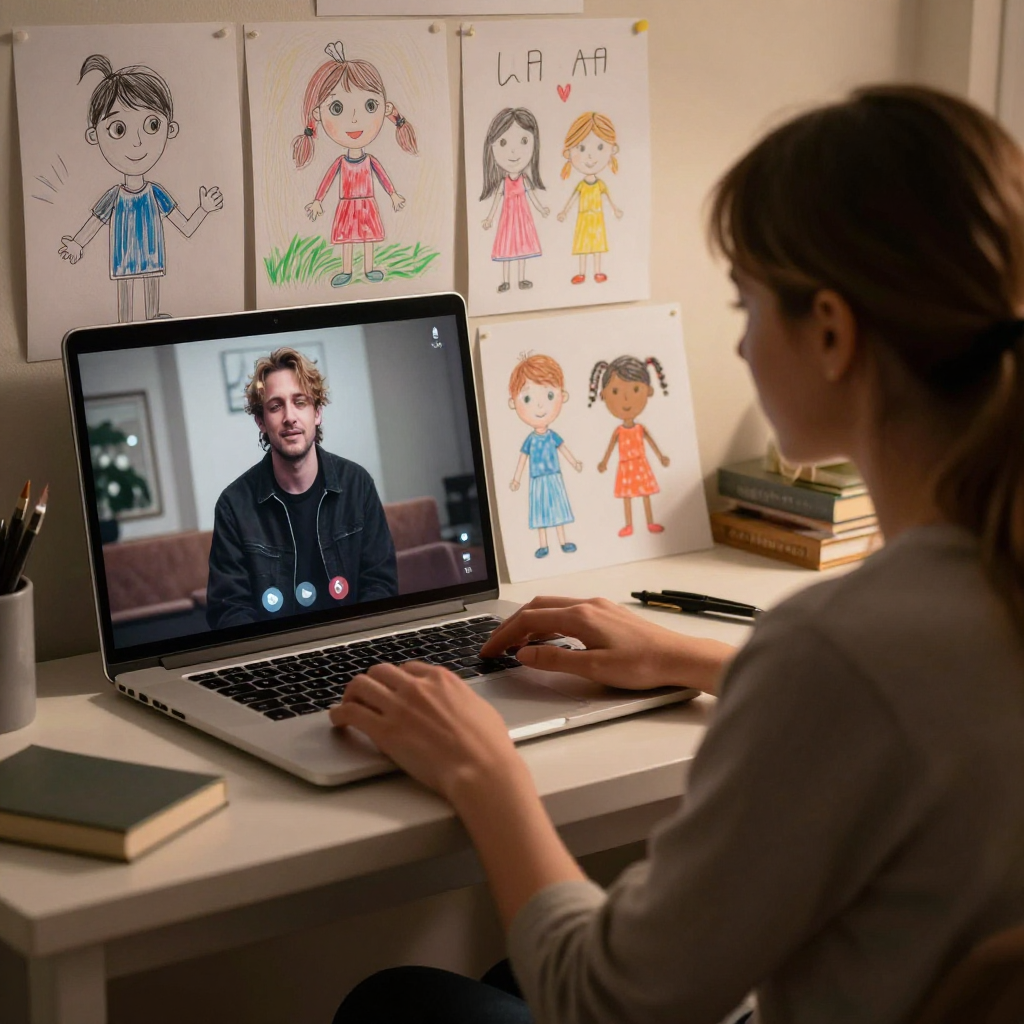
Many couples create a communication rhythm before the tour begins. They might agree on a brief morning text, a longer call on selected days, and shared photos when schedules allow. Video calls can help children recognize the travelling parent’s face and voice, although they are not a complete substitute for physical presence.
Communication also works best when it includes ordinary details. A photo of breakfast, a school drawing, or a short voice message can preserve the texture of home. The musician can share more than performance updates, while the spouse can describe family life without turning every conversation into a report of problems.
Technology has limits. Poor connections, crowded backstage spaces, and fatigue can make a call feel rushed. Couples may need a backup plan, such as recorded messages or a shared calendar. The goal is dependable contact, not a perfect performance of closeness.
The Emotional Reality of Tour Life
The emotional reality of being married to a touring musician includes pride, loneliness, worry, independence, and uncertainty, often within the same week. These feelings can coexist without cancelling one another out.
Pride may appear when the musician reaches a professional milestone or performs for a large audience. The spouse may understand how much discipline and sacrifice made that moment possible. Yet pride does not remove the ache of missing a birthday, a difficult conversation, or an ordinary evening that would otherwise feel unremarkable.
Loneliness is not always dramatic. It can be the absence of another adult during dinner, the lack of help with bedtime, or having no one beside you when a decision feels heavy. Worry can also take practical forms: travel delays, illness, financial uncertainty, or concern about how children are processing repeated departures.
At the same time, touring can create independence. The spouse may become more confident in managing money, parenting, repairs, or personal plans. That strength can be rewarding, but it should not be used to justify permanent imbalance. Resilience is a resource, not an unlimited obligation.
A documentary-style account should leave room for contradiction. The spouse can love the musician, value the music, and still dislike the tour. Showing that tension makes family life more recognizable and avoids romanticizing emotional strain.
Supporting the Musician Without Losing Yourself
Supporting a touring musician works best when encouragement is balanced with personal identity, clear boundaries, and space for the spouse’s own goals. A healthy partnership treats support as mutual rather than one-directional.
Some spouses help with bookings, travel planning, accounting, or career decisions. Others contribute by maintaining a stable home and offering emotional reassurance. Neither path is automatically better. Problems arise when unpaid work becomes invisible or when the spouse’s assistance is assumed rather than agreed.
Before a tour, couples can discuss practical questions:
- Which parenting and household tasks will each person own?
- What expenses will the tour create, and how will the family budget absorb them?
- Which calls, school events, or family dates need special protection?
- How will either partner raise concerns without interrupting every workday?
- What support is available if the at-home spouse becomes overwhelmed?
Personal identity needs protection too. Maintaining friendships, employment, creative interests, or regular time alone prevents the relationship from becoming organized entirely around the tour. It also gives the spouse experiences and news to bring back into the partnership.
One common mistake is measuring love by constant availability. A spouse may be supportive without answering every late-night message or absorbing every professional crisis. Boundaries can make communication more honest, especially when both people understand when immediate contact is necessary and when rest can wait until morning.
Reunion, Readjustment, and Family Rhythm
Reunion is exciting, but returning home can require readjustment because the family has developed new routines while the musician was away. Rebuilding closeness often takes several days rather than happening instantly at the front door.
The spouse and children may have learned to operate independently. The musician may return with unfamiliar sleep patterns, travel fatigue, and stories from a different environment. Expectations can clash when one person assumes the household will immediately return to its old rhythm while everyone else has adapted.
Small agreements help. The returning musician might take responsibility for a specific task after resting, while the spouse explains which routines matter most. Time alone with children can rebuild relationships gradually. So can an ordinary meal, a school run, or a quiet conversation without an audience.
Reunion also exposes accumulated emotional labor. The spouse may need acknowledgment for what they managed, while the musician may need space to decompress after a demanding run of performances. Recognition should move in both directions. Neither partner benefits when sacrifice becomes a competition.
The most sustainable families often plan for transition, not only departure. They discuss the first 24 hours home, divide urgent tasks, and schedule time together after the initial excitement fades. That planning turns reunion into a process of reconnection.
What the Documentary Reveals About Family Behind the Music
A documentary about a touring musician and family life reveals that a music career is shaped by people who rarely appear under the stage lights. The spouse’s routines, choices, and emotional experience show the personal infrastructure behind public performance.
Touring depends on more than talent and an audience. It also depends on childcare arrangements, financial planning, emotional support, flexible routines, and a household capable of absorbing repeated change. Those contributions do not make the spouse a background character. They form part of the conditions that allow the career to continue.
The film and music documentary perspective is especially powerful when it observes rather than exaggerates: a calendar marked with tour dates, a child waiting for a video call, a spouse completing an errand after work, or a reunion that feels joyful and awkward at once. Such details connect the public story of music with the private work of family.
There is no universal model for a long-distance relationship involving a touring musician. Some couples travel together; others protect separate careers and home routines. Some families thrive with long stretches apart, while others need shorter tours, additional childcare, or different professional choices.
What remains consistent is the need for honest negotiation. The musician’s spouse deserves visibility, rest, recognition, and a life that continues beyond the tour schedule. Behind every performance may be a family adapting in real time, making the unseen work of partnership part of the story.
Frequently Asked Questions
What is a typical day like for a touring musician’s spouse?
A typical day may include work, parenting, school schedules, errands, household decisions, and communication with the touring musician. The details vary by family, but the spouse often manages more responsibilities independently while the tour is underway.
How do touring musicians and their spouses stay connected?
They commonly use texts, voice messages, phone calls, video chats, shared calendars, and photos. A predictable communication routine helps, although time zones, travel delays, technical problems, and fatigue can interrupt plans.
What are the biggest challenges of being married to a touring musician?
The biggest challenges often include loneliness, unequal household responsibilities, missed family events, financial uncertainty, parenting alone, and repeated readjustment after reunions. Pride in the musician’s work can exist alongside these difficulties.
How does touring affect parenting and household responsibilities?
Touring usually requires the at-home parent to handle more daily decisions and practical tasks. Couples can reduce strain by assigning responsibilities in advance, budgeting for support, and protecting regular contact between the travelling parent and children.
How can couples protect their relationship during long tours?
Couples can protect their relationship by agreeing on communication expectations, discussing boundaries, recognizing emotional labor, maintaining individual identities, and planning both departures and reunions. Professional counselling may also help when conflict or isolation becomes persistent.