Documentaries That Capture the Touring Life Authentically

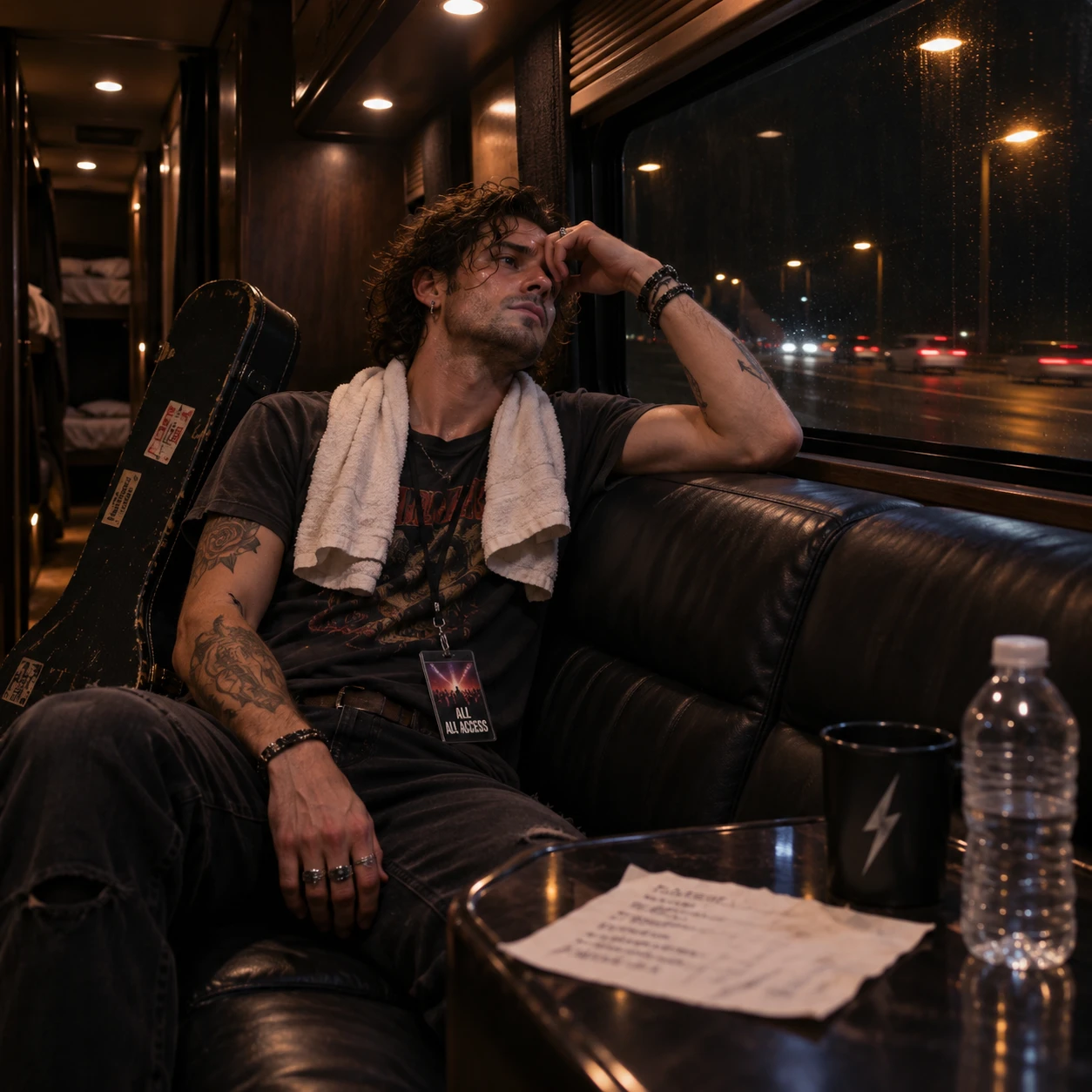
A concert can make touring look like a string of triumphant nights: a packed room, bright lights, applause, then another city. Music documentaries that capture the touring life authentically look past that peak moment. They show the travel, waiting, work, and relationships that make each performance possible.
For viewers interested in touring musicians and family life, the most revealing films hold two realities together: the public energy of live performance and the private routines that continue when the stage goes dark. Here’s how to recognize that balance and choose a documentary that gives the road a fuller picture.
What “Authentic” Touring-Life Documentaries Show
An authentic touring-life documentary places performances in context and gives viewers access to the people and routines behind them. It feels credible when the story includes ordinary details, different perspectives, and room for uncertainty rather than presenting a polished tour as the whole truth.
Backstage access can help, but access alone does not guarantee honesty. A camera in a dressing room or tour bus may capture candid moments; the film’s framing still determines what those moments mean. Look for specific context: how the schedule works, what the artist is trying to create, and what happens between venues.
Authenticity also comes from what a film admits it cannot show. One tour, one artist, or one family cannot represent every experience. A film that acknowledges its point of view is often more trustworthy than one that treats a few intimate scenes as a complete portrait of life on the road.
As you watch, ask whether the people on screen feel like participants in a working life or characters in a ready-made story. That distinction shapes the film’s documentary storytelling as much as the footage itself.
The Reality Behind the Performance
The reality behind a touring performance includes travel, changing schedules, backstage preparation, and recovery. These routines shape the musician’s work and can affect the energy, mood, and creative choices audiences see onstage.
A tour day may involve a long drive, a soundcheck, interviews, a meal grabbed between obligations, and a late performance. The details vary by artist and production, so a documentary should not imply that every tour follows the same pattern. Still, observing how time is managed can make the scale of the work tangible.
Pay attention to the transitions: unloading gear, waiting for a venue to open, adjusting a set, or getting back on the road after the crowd leaves. These quieter scenes show how live performances depend on planning and repetition. They also reveal the costs of constant movement, such as fatigue, disrupted sleep, and little time to reset.
The creative process can be part of this picture, too. A film may show musicians revising arrangements, discussing a performance, or finding a moment of quiet to write. When it connects those choices to the demands of touring, the stage becomes part of a larger job rather than the entire story.
Touring’s Impact on Family Life
Touring can affect family life through time apart, changing caregiving responsibilities, and the effort required to stay connected across distance. The impact depends on each family’s circumstances; a responsible documentary avoids presenting separation as either effortless or inevitably damaging.
For partners, children, and other caregivers, a tour changes ordinary logistics. Someone may need to take on more school runs, household tasks, or day-to-day decisions while the musician travels. A film that follows these responsibilities alongside the artist’s schedule can show that touring is a family arrangement, not a solo experience.
Communication matters, but calls and messages cannot always replace shared time. Different time zones, work commitments, and unreliable moments of availability can complicate contact. At the same time, families may find routines that work for them, such as planned calls, visits when practical, or rituals that keep children involved in a parent’s travels.
Look for scenes that let family members describe their own experience, rather than relying only on the musician’s account. Family perspectives add texture, but they should not be treated as a single verdict on whether touring is worth its compromises. Each person may feel differently, and those views can shift over time.
The People and Perspectives That Make a Film Feel Real
A touring documentary feels more complete when it includes the musician, family members, and crew who experience the tour from different positions. Their perspectives reveal how performance, travel, and care work fit together.
The musician can explain the artistic aims and pressures of the tour. Family members may describe what absence or reunion means at home. Crew members can clarify the practical work behind a show, from load-in and soundcheck to the schedule that gets everyone to the next city. No single voice can explain every part of the experience.
That balance does not require equal screen time. It requires meaningful perspective: people should have the chance to speak in their own terms, and the editing should not reduce them to background support or conflict. When crew members appear only as anonymous figures, for example, viewers may miss the coordination that makes the tour possible.
Also notice whose experience remains outside the frame. Documentary access is always selective. A film can offer a vivid account of one person’s touring life without claiming to speak for every musician, household, or touring crew.
Balancing Intimacy, Access, and Privacy
A responsible touring documentary uses personal access to deepen understanding while respecting the people being filmed. Intimate footage can reveal the pressure of life on the road, but privacy matters, especially when partners and children appear on screen.
Filmmakers make choices about when to keep filming, what to include, and how to present vulnerable moments. A tense conversation may be important to the story, yet showing it without context can turn a real disagreement into spectacle. Consider whether the film gives people space to explain themselves and whether the editing encourages empathy or invites judgment.
Children deserve particular care. Their presence may help explain how touring affects a household, but a camera can record private moments they may not fully understand at the time. Viewers can assess the film’s approach by noticing how much of a child’s daily life it exposes and whether those scenes serve a clear purpose.
Access has a trade-off: closer footage can make a documentary feel immediate, while restraint can leave parts of the story unexplored. The strongest films make that boundary visible instead of treating every private moment as material for the audience.
How to Choose a Documentary About Touring Musicians
Choose a documentary about touring musicians by considering whose story it follows, what parts of the tour it shows, and how it handles family life and privacy. These criteria help you find a film that matches your interest without assuming every documentary offers the same kind of access.
Use this quick viewing filter:
- Start with the subject. Is the focus a solo artist, a band, a family, or the crew? Check whether the film stays with that perspective or broadens its scope.
- Look beyond the stage. Does it show travel, waiting, backstage routines, and the work between performances, or mostly concert footage?
- Check the family perspective. If family life is central to your interest, see whether partners or children have a voice and whether the film treats their experiences with care.
- Notice the storytelling style. Some films observe quietly; others rely on interviews, narration, or a dramatic arc. Neither approach is automatically more authentic, but each shapes what you learn.
- Watch for limits. Does the documentary present its account as one person’s experience, or make broad claims about touring life?
A useful test is to ask what the film helps you understand after the music stops. If you come away with a clearer sense of how a tour is organized, how creative work fits into the schedule, and how distance affects relationships, the documentary has offered more than a backstage pass. It has shown touring as a lived routine, with rewards and compromises that vary from one person and family to another.