The Unseen Tour: Documenting the Emotional Journey of Musicians on the Road

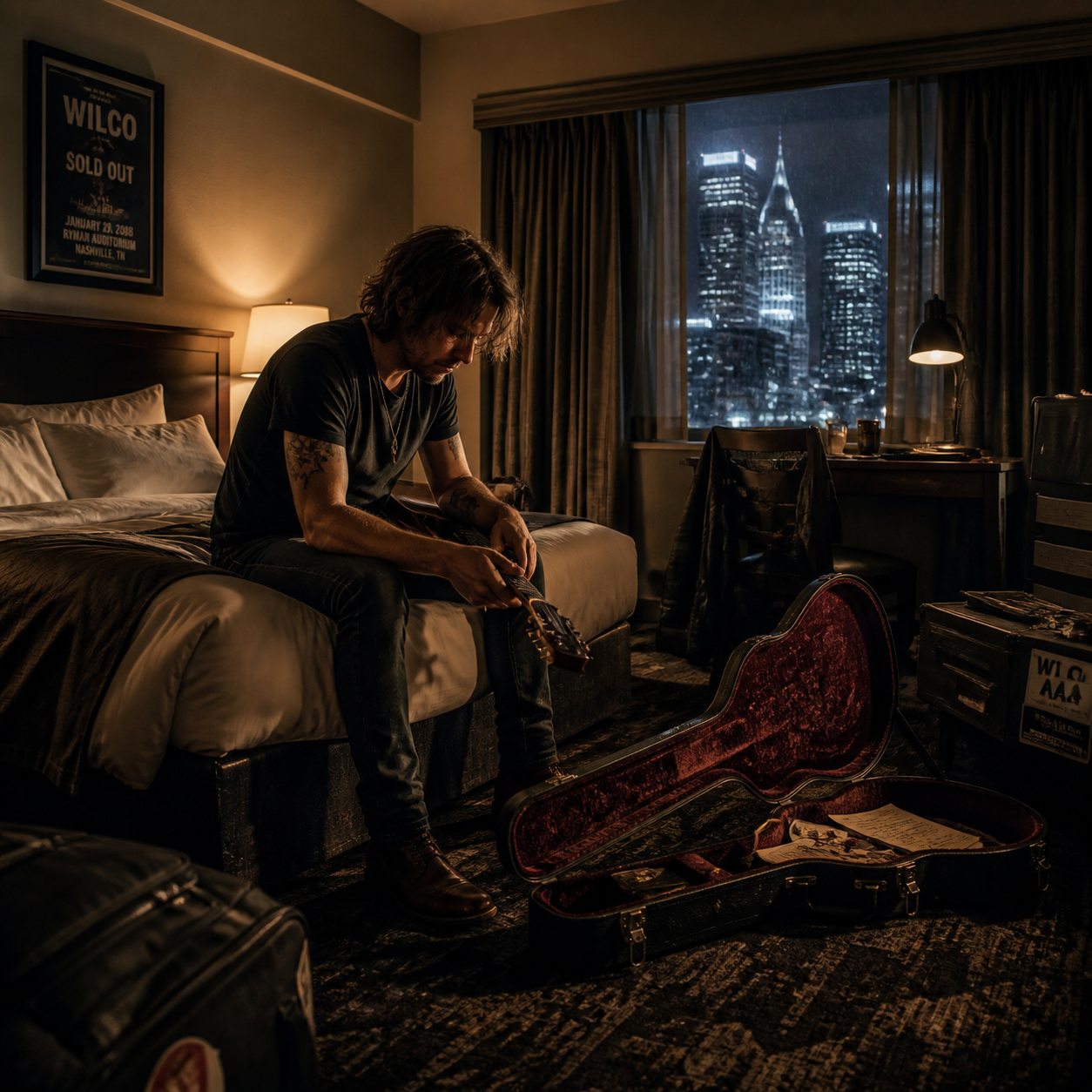
A tour is often measured in venues, ticket sales, and miles traveled. Yet for touring musicians, life on the road is also a shifting emotional landscape: anticipation before a show, fatigue after it, brief connection with strangers, and long stretches of separation from the people and places that give life meaning. A music documentary that stays with those quieter experiences can reveal a fuller portrait of performance, ambition, family life, and belonging.
Beyond the Stage: What Touring Really Looks Like
Touring musicians spend far more time traveling, waiting, rehearsing, and recovering than performing onstage. The concert may last two hours, but the working day can begin with an early departure, a long drive, equipment checks, soundcheck, interviews, and hours of uncertainty before the audience arrives.
Live performance creates a powerful burst of energy. The room fills, the lights change, and the musician receives an immediate response from the crowd. Then the show ends. Cases are packed, streets pass behind a van window, and the same routine begins again in a different town.
This repetition gives touring its particular rhythm. A musician may feel exhilarated in the evening and physically depleted by midnight. A successful performance does not erase a missed connection, a delayed flight, or the quiet knowledge that home is several hundred miles away.
For a documentary filmmaker, this contrast is essential. Concert footage communicates scale and excitement, while travel days show the labor that makes those moments possible. A loading dock, a half-eaten meal, or a musician staring at a departure board can carry emotional information that a stage montage cannot.
The Emotional Landscape of Life on the Road
Life on the road can combine excitement, loneliness, creative freedom, pressure, and uncertainty at the same time. Touring does not produce one universal emotional response; its impact changes with the artist, the length of the tour, financial security, health, support network, and reasons for performing.
Some musicians find deep fulfillment in constant movement. New audiences can sharpen a performer’s sense of purpose, while the touring community may create friendships that feel unusually intense. Travel can also interrupt ordinary habits and open space for artistic growth.
At the same time, uncertainty follows many tours. Attendance, income, transport, accommodation, and future bookings may remain unstable. Performance pressure can make every show feel like an assessment, especially for independent artists whose livelihood depends on maintaining momentum.
Loneliness often appears in less obvious forms. A musician may be surrounded by bandmates and crew yet have little privacy, limited time for honest conversation, or no familiar place to recover. The emotional journey may move through confidence, doubt, irritation, gratitude, and renewed motivation within a single day.
A strong documentary allows those contradictions to remain visible. It avoids turning the artist into a symbol of either glamour or suffering. The more revealing question is often practical: what does this person do with the feeling when the next soundcheck is only three hours away?
Family, Relationships, and the Cost of Distance
Touring affects family life and relationships by turning physical distance into a daily negotiation over time, attention, and belonging. The effect is not automatically destructive or tragic, but it can change how partners, parents, children, and friends experience the musician’s absence.
Communication becomes a form of care. A short video call may happen in a dressing room, a hotel corridor, or the back seat of a vehicle. Messages can preserve intimacy, yet they cannot fully replace shared routines: preparing dinner, attending a school event, helping during illness, or simply being present at the end of an ordinary day.
Partners may carry responsibilities that remain invisible to the audience. Parenting, household decisions, pet care, and emotional support continue while the touring musician moves between cities. The musician, meanwhile, may feel guilty for missing milestones or anxious about becoming disconnected from family life.
Homecoming can bring its own adjustment. After weeks of travel, returning home may feel comforting and unfamiliar at once. Domestic routines have continued without the musician, and everyone may need time to find a shared rhythm again. The idea of home becomes less about a fixed location and more about recognition, responsibility, and mutual presence.
Documentaries should approach these relationships with care. Family members are not supporting characters added to explain the artist. They have their own boundaries, perspectives, and emotional stakes, which deserve consent and meaningful space.
The Private Moments a Documentary Can Capture
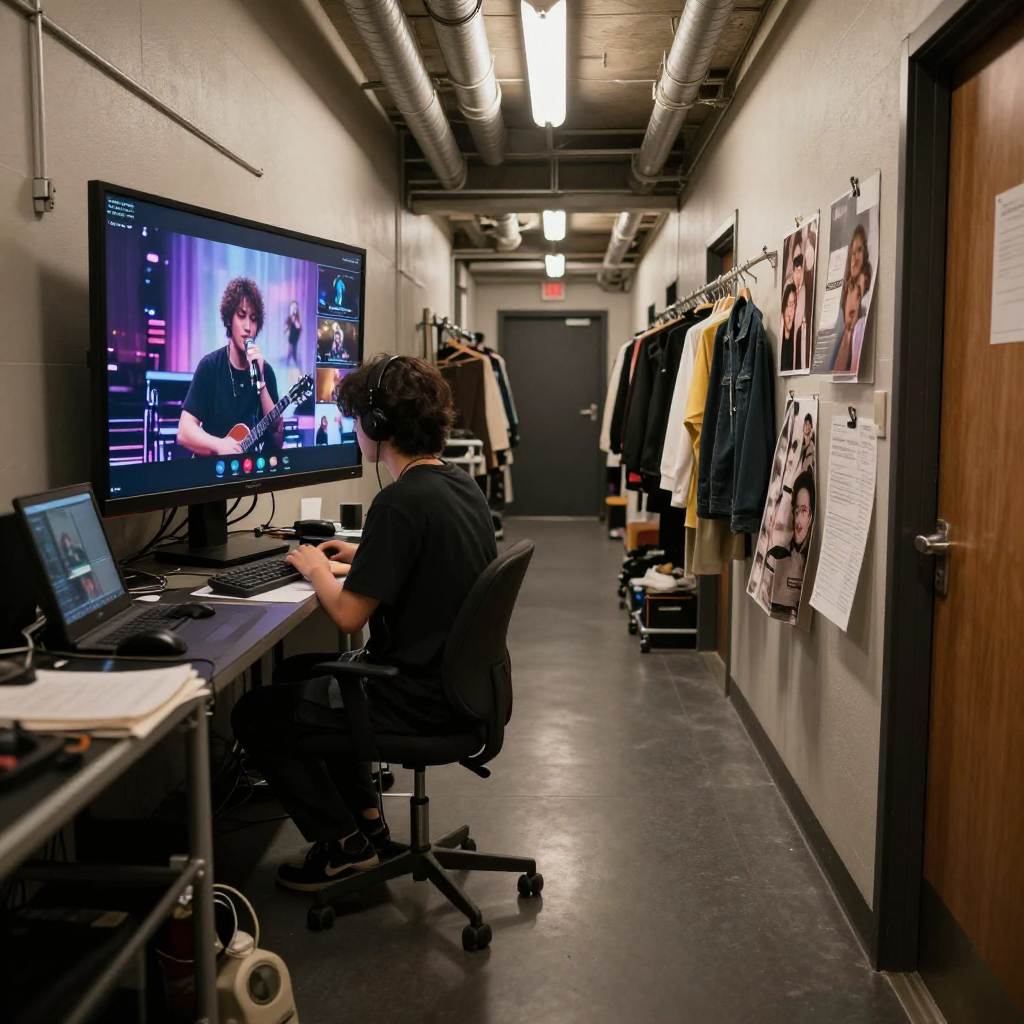
The most revealing touring footage often comes from ordinary moments rather than the performance itself. Soundchecks, travel days, hotel rooms, rehearsals, phone calls, meals, and backstage silences show how a musician inhabits the space between public appearances.
A camera might observe a vocalist warming up alone before the crew arrives, or a drummer repairing equipment while discussing an upcoming conversation with a child. These moments connect practical action with emotional meaning. The instrument becomes work equipment, creative language, and sometimes a reminder of what the road demands.
Behind-the-scenes storytelling works because it gives performances context. A singer who appears completely assured under stage lights may spend the afternoon managing nerves. A band celebrating after a show may still be calculating fuel costs or deciding whether they can afford another night away.
Small details can carry the weight of a larger narrative:
- A repeated message sent to someone at home after every show.
- An empty seat saved for a family member who could not attend.
- A worn suitcase that reveals how long the journey has lasted.
- A quiet pause before walking onto a crowded stage.
- A musician changing clothes and immediately returning to practical tasks.
These images should not be treated as clues in a manufactured mystery. Their value comes from observation. Editing can create rhythm and association, but it should not invent a crisis where none exists.
Public Persona Versus Private Self
A musician’s stage identity is a performance shaped for an audience, while private life contains routines, doubts, obligations, and vulnerability that the audience rarely sees. The distance between those selves can create both creative power and emotional strain.
Onstage, an artist may appear fearless, humorous, commanding, or emotionally exposed. Offstage, that same person may become quiet, methodical, anxious, or focused on mundane responsibilities. Neither version is necessarily more authentic. Both belong to the musician’s identity.
This tension offers a documentary a richer structure than a simple rise-and-fall story. The film can ask how a persona is built and maintained. Does the artist need the stage character to access confidence? Does the public identity follow them into family conversations? When does performance end?
Personal identity can also change through touring. A musician may begin to see themselves as a professional, parent, partner, outsider, or traveler in different settings. Each city offers recognition, but repeated departure can make stability feel temporary.
The most effective films resist the temptation to expose a hidden self as though public identity were dishonest. Instead, they show the negotiation between roles. A performer can be ambitious and tired, grateful and resentful, independent and deeply connected to home.
Filming With Trust, Intimacy, and Respect
Respectful documentary filmmaking depends on informed consent, clear boundaries, and enough time for subjects to control how their lives are represented. Intimacy should develop through trust, never through pressure or manufactured conflict.
Before filming, the filmmaker should clarify where the camera may go, who can appear, how family members will participate, and what kinds of private conversations require separate consent. These decisions matter most when children, health concerns, relationship difficulties, or financial stress enter the frame.
Observation does not mean pretending the camera has no effect. Its presence can change behavior, especially during arguments, emotional calls, or moments of exhaustion. A responsible crew recognizes that access is a privilege and that refusal is part of a subject’s agency.
Several practices help protect the film’s integrity:
- Explain the purpose: subjects should understand the documentary’s central questions and intended audience.
- Revisit consent: permission should remain an ongoing conversation as circumstances change.
- Protect vulnerable people: family members and children need independent consideration, not automatic inclusion.
- Preserve context: emotional scenes should not be edited to imply motives or events the footage cannot support.
- Allow silence: a pause or unanswered question may communicate more honestly than forced disclosure.
Filmmakers also need to consider the trade-off between access and safety. The most intimate footage may create the strongest scene, but a subject’s privacy and long-term wellbeing matter beyond the film’s immediate dramatic value.
Why the Unseen Journey Matters
Documenting the unseen journey matters because it presents touring musicians as whole people whose art is connected to work, relationships, sacrifice, identity, and belonging. The concert remains important, but it becomes more meaningful when viewers understand what surrounds it.
An intimate music documentary can make absence visible without sensationalizing it. It can show how a partner maintains connection, how a parent negotiates missed milestones, how a band creates community in transit, and how homecoming changes the meaning of success.
The strongest stories follow a simple emotional framework: departure, adaptation, and return. Departure reveals what the musician leaves behind. Adaptation shows the routines and pressures of life on the road. Return tests whether the person, the relationships, and the idea of home have changed.
That structure leaves room for fulfillment as well as difficulty. Touring may exhaust a musician while giving them purpose. Separation may hurt while also supporting a shared dream. Public performance may require a persona that helps the artist reach feelings they cannot easily express in private.
When a camera stays through the waiting, the calls, the mistakes, and the quiet after applause, the road becomes more than a backdrop. It becomes a place where ambition meets responsibility and where musicians discover what they are willing to carry home.
Frequently Asked Questions
What emotional challenges do musicians face while touring?
Touring musicians may experience loneliness, fatigue, performance pressure, uncertainty, homesickness, and difficulty maintaining ordinary routines. They may also feel excitement, creative freedom, community, and professional fulfillment. The emotional impact varies widely between individuals and tours.
How does touring affect musicians’ family life and relationships?
Touring can reduce shared time and place greater responsibilities on partners and family members at home. Regular calls, clear planning, and honest communication can help, although remote contact cannot fully replace physical presence or shared daily experiences.
What should a documentary capture beyond live performances?
A documentary should consider travel days, soundchecks, rehearsals, hotel rooms, meals, phone calls, equipment work, backstage routines, and homecomings. These details show the labor and emotional context behind a concert.
How can filmmakers portray musicians’ private lives respectfully?
Filmmakers can work respectfully by obtaining informed and ongoing consent, setting clear boundaries, protecting children and vulnerable participants, preserving context, and avoiding manufactured drama. Subjects should retain meaningful agency over intimate parts of their story.